 Help
HelpTable of content
Plant-based food is no longer just a trend — it’s a lifestyle choice for millions. People choose a vegetarian meal plan for better digestion, energy, and sustainability.
With growing access to vegan foods and vegetarian meals, shifting your habits is easier than ever. The rise in plant-based food options means you can eat well and still enjoy what’s on your plate.

Getting enough protein on a plant-based meal plan is absolutely doable. High-protein vegan foods like tofu, lentils, tempeh, and quinoa provide a strong foundation.
Combine plant proteins like legumes and whole grains to meet your daily needs. Many plant-based dietitian tips include adding nuts, seeds, and protein-rich snacks throughout the day.
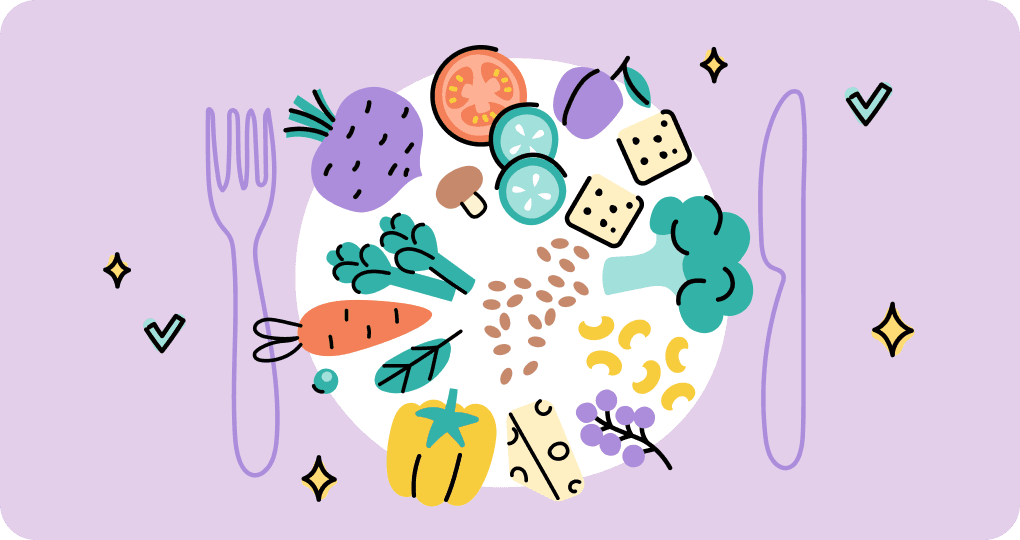
Need some fresh ideas? These simple vegetarian meal recipes are packed with flavor and nutrients:
High protein vegetarian meals help with satiety, weight management, and energy. Even high protein meatless meals can keep you full longer.
Looking for variety? High-protein vegetarian recipes offer endless options.

Health coach comment
Ievgeniia Dobrynina, Health&Wellness Coach
There’s no need to worry about protein on a vegetarian meal plan. High-protein vegetarian-friendly foods like legumes, tofu, and whole grains provide more than enough — especially when combined in balanced meals.
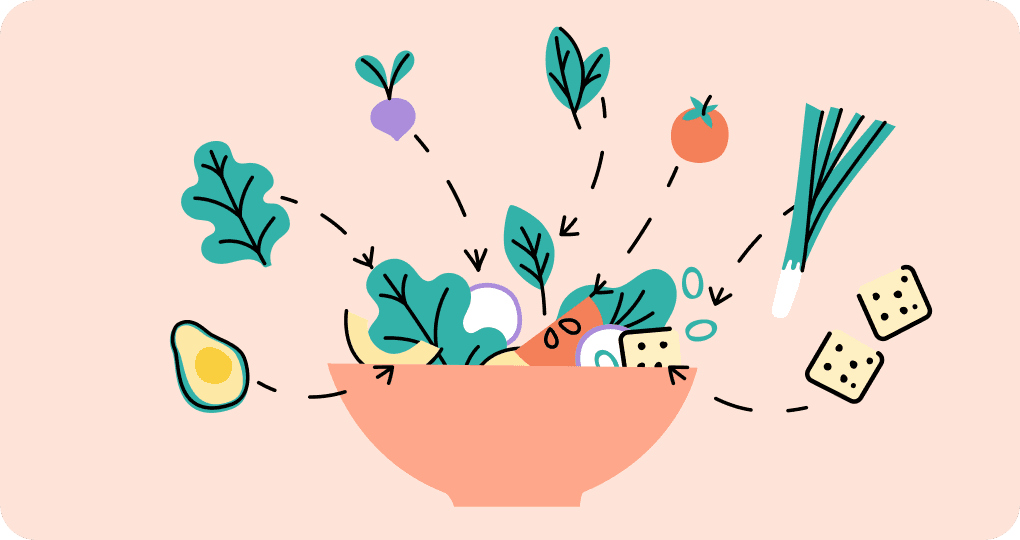
Plant-based eating can be flexible — no need to go all-in overnight. Even replacing a few meals a week with vegetarian food helps.
Start slow. Try new vegan recipes. Explore what works for your body. Whether it's a full plant-based meal plan or a mix, you’re already making progress.

Summary
A vegetarian or plant-based meal plan is a powerful, flexible way to eat better. With plenty of plant-based proteins, fresh ingredients, and satisfying meals, it’s a sustainable path to better health — on your terms.
Unimeal does not diagnose or suggest treatments. Any description of the diet, training plan or supplement should be discussed with your current physician or nutritionist. This article does not address specific conditions and is simply meant to provide general information on healthcare topics. Following any advice is at your own initiative and does not impose any responsibility on the blog authors for your health and safety.