 Help
HelpTable of content
Intermittent fasting is often reduced to “skipping meals,” which makes it sound harsh or unsustainable. In practice, it’s more about timing — creating a consistent eating window that fits your routine. Because people approach it differently, simplified ideas spread easily and make the whole process feel more difficult than it needs to be.

Some ideas about fasting sound convincing but don’t always match real-life experience.
Some widely shared myths include:
In reality, how fasting feels often depends on how your meals are structured and how consistently it fits into your routine.
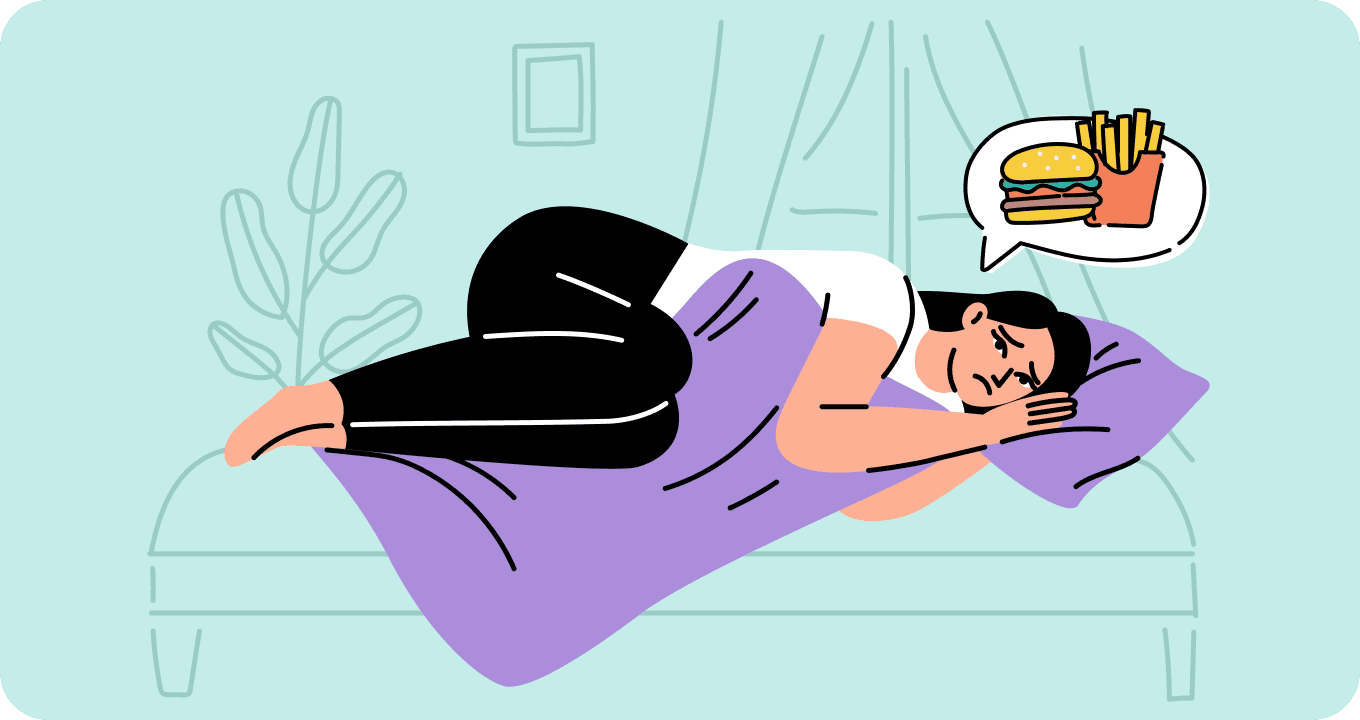
Fasting tends to feel more manageable when it’s built around simple, repeatable patterns. Many people find that a moderate eating window, paired with balanced meals, fits more naturally into their day than trying to follow strict or extended schedules.
The quality of meals also plays a key role. Including protein, fiber, and healthy fats can help you stay satisfied longer, which often makes fasting periods feel steadier and easier to maintain.


Health coach comment
Ievgeniia Dobrynina, Health&Wellness Coach
Fasting is not about pushing your limits. It works best when eating windows feel natural and meals are balanced enough to support your energy throughout the day.
Some expectations come from treating fasting like a quick fix rather than a routine you can adjust over time.
Other common myths:
In practice, consistency and meal quality tend to matter more than strict timing or extreme approaches.

Intermittent fasting works best when it feels like part of your routine, not something you have to push through. A moderate structure, balanced meals, and flexibility around your schedule usually make it easier to stay consistent over time.

Summary
Most myths about intermittent fasting come from extremes or oversimplified ideas. When you focus on simple routines, balanced meals, and realistic expectations, fasting can feel much more manageable and easier to maintain without unnecessary pressure.
Unimeal does not diagnose or suggest treatments. Any description of the diet, training plan or supplement should be discussed with your current physician or nutritionist. This article does not address specific conditions and is simply meant to provide general information on healthcare topics. Following any advice is at your own initiative and does not impose any responsibility on the blog authors for your health and safety.