 Help
HelpDiet culture frequently represents weight loss as a simple equation: ingest fewer calories than expended, and pounds will melt away. Nonetheless, many factors can influence weight loss beyond just calorie counting. This guide explores the complexities of a calorie deficit meal plan, why you might not lose weight, and how to optimize your results.
Table of content
A calorie deficit occurs when you consume fewer calories than you burn. While this is the basis of weight loss, your specific energy needs depend on your weight and activity level; for instance, a heavier, more active person requires more fuel than someone smaller and more sedentary.
The body expends energy through three activities:
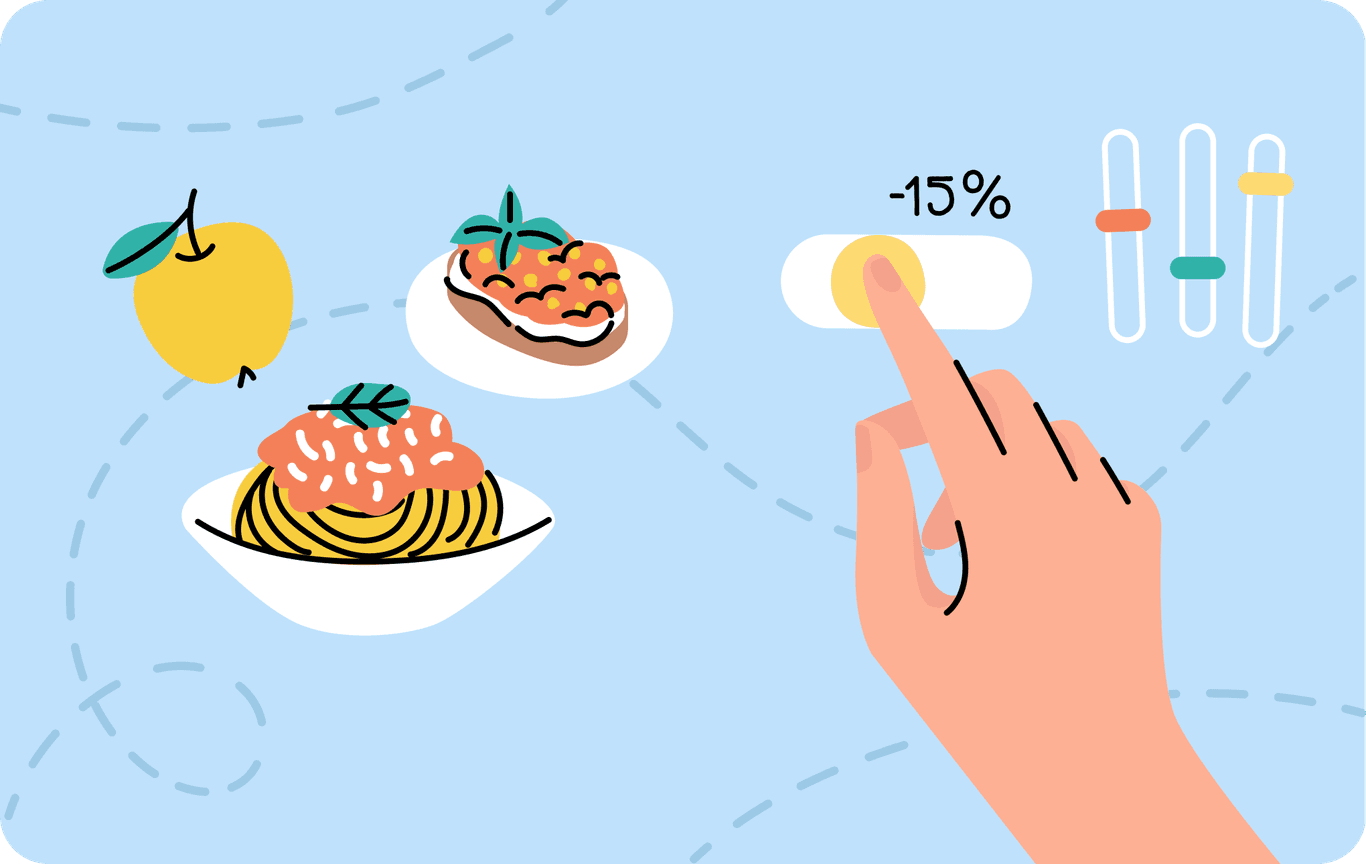
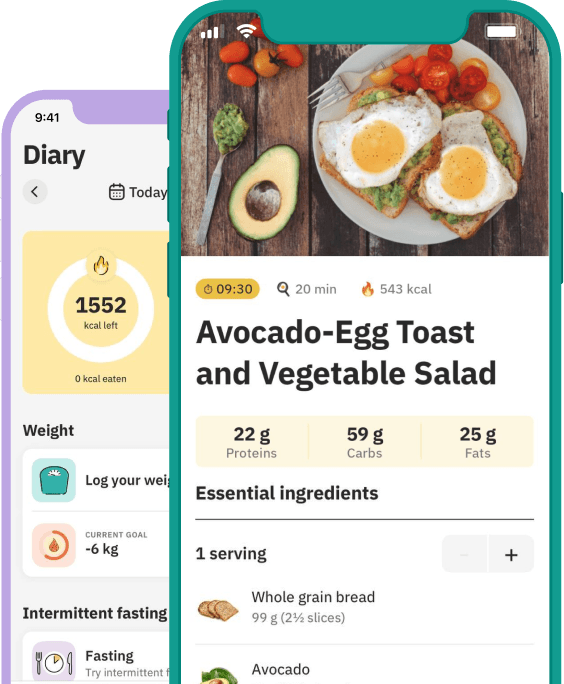
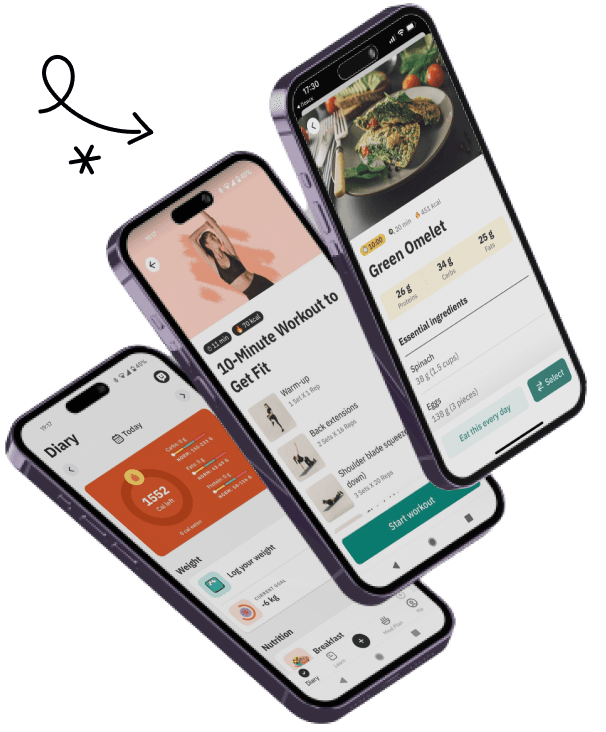
To stop guessing, you need to know your TDEE (Total Daily Energy Expenditure). While this macro calculator provides a solid starting point, keep in mind that these are general figures. For a truly effective calorie deficit meal plan that accounts for your unique metabolism, food preferences, and daily lifestyle, a deeper analysis is required. Take our personalized quiz to move beyond general estimates and define the exact path to your target.
Calorie Calculator
Current weight (lb)
Height (ft)
Age (years)
Select your gender
Activity level
Your Goal
This tool is for informational purposes and does not qualify as a medical opinion. Consult your doctor before beginning any diet or exercise plan.

Health coach comment
Ievgeniia Dobrynina, Health&Wellness Coach
A sustainable calorie deficit is not about eating as little as possible; it’s about metabolic efficiency. By prioritizing high protein and low calorie foods, you protect your lean muscle mass while forcing your body to use stored fat for energy. This approach prevents the sharp energy dips and intense cravings that usually lead to diet failure.
Success depends on Volume Eating—filling your plate with space-occupying, low-calorie foods.
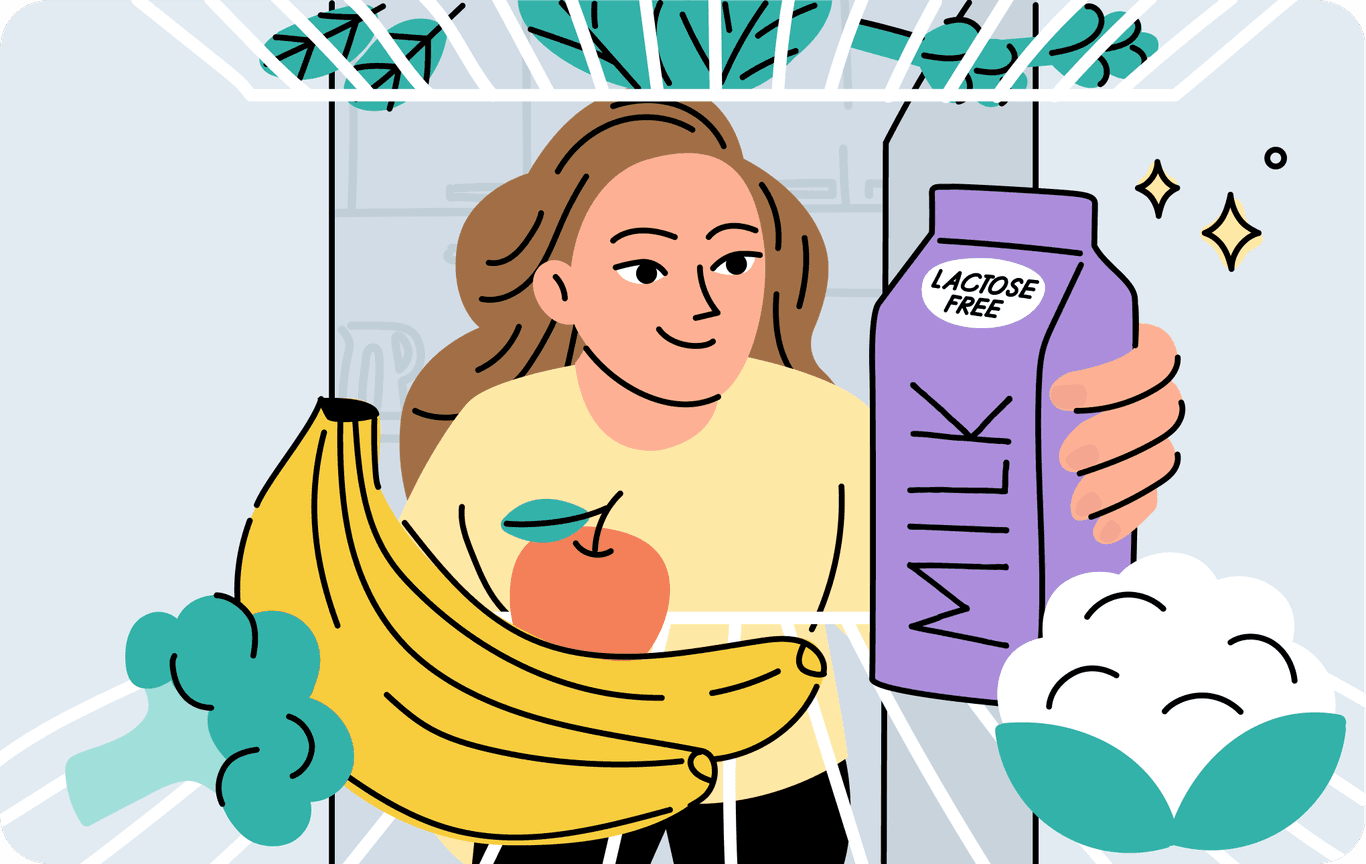
A 1200-calorie deficit doesn't have to mean hunger. The secret is focusing on nutrient-dense, high-protein meals that protect your muscles and keep you satiated.

To maximize fat loss while preserving lean mass, swap in these high-protein, low-calorie foods:

Getting the most out of your training while eating less requires a strategic approach:

Health coach comment
Ievgeniia Dobrynina, Health&Wellness Coach
It’s not just about eating less, but choosing the right foods. If you consume too many high calorie foods, you won't lose fat, but if you eat too little, you won't have the energy to lift.
Protein is essential for repairing muscle tissue. Aim for at least 0.8g per pound of bodyweight. Focus on high protein low calorie foods to maximize gains without overshooting your energy budget.
Strength training burns calories while cardio increases your hourly burn. Together, they create an efficient deficit.
Muscles grow outside the gym. While some search for high calorie foods for weight gain, building lean muscle in a deficit requires patience and high-quality high protein and low calorie foods.
Summary
Sustainable progress comes from balanced meals, high-protein food choices, consistent tracking, and mindful lifestyle habits. Making small, science-backed adjustments to your calorie deficit meal plan helps eliminate hunger and supports a more energized, leaner body — without the stress of extreme restrictions or metabolic burnout.
Unimeal does not diagnose or suggest treatments. Any description of the diet, training plan or supplement should be discussed with your current physician or nutritionist. This article does not address specific conditions and is simply meant to provide general information on healthcare topics. Following any advice is at your own initiative and does not impose any responsibility on the blog authors for your health and safety.