Intermittent Fasting Calculator — Your Personal Timer to Stay Consistent
6 min. read
Fasting is the act of abstaining from food for a specific reason. People fast for various purposes, including spiritual growth, political activism, or health benefits such as weight loss. In intermittent fasting, individuals follow cycles of eating and fasting, which limits glucose intake and prompts the body to burn fat for energy. Below, we will explore the most popular types of fasting
Eat Well, Lose Weight with Fasting!
Find out how long it takes for you to lose weight with Intermittent Fasting
How does the Intermittent Fasting Calculator work?
Intermittent fasting works best when you follow the schedule consistently. Our free fasting calculator helps you stay on track, avoid mistakes, and reach your goals faster.
Get your personalized fasting plan in seconds—just enter your last meal time and choose how long you want to fast: 12, 14, 16, 18, or even 24 hours.
Which Fasting Schedule Works Best for You?
1. Enter your weight, height, age, gender, and activity level
2. Pick your fasting method
3. Get your personal fasting & eating schedule
4. Track how much time is left till your next meal
5. Stay consistent every day
Fasting Methods Explained: What Sets Them Apart?
Alternate Day Fasting (ADF): A Simple Approach to Health and Weight Loss
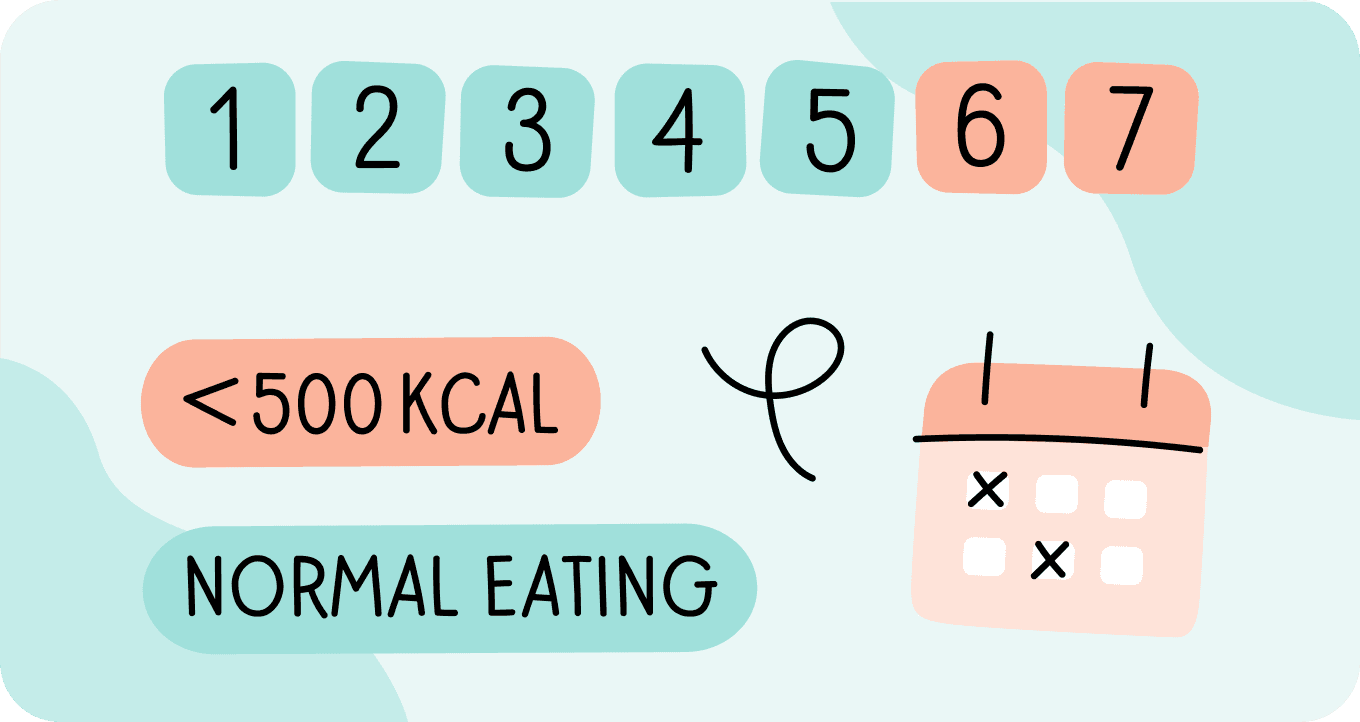
Alternate Day Fasting (ADF) involves alternating between fasting days (with little or no calories) and eating days. On fasting days, some people restrict calories to around 500, while others fast completely. This method can support weight loss, improve insulin sensitivity, and promote fat burning.
ADF may also enhance autophagy, a natural process that helps repair and renew cells. Many find it boosts energy and focus, though the eating pattern can be challenging, especially socially. To avoid nutrient deficiencies, it’s important to eat balanced, nutrient-dense meals on eating days.
For those trying Alternate Day Fasting, flexibility is key. Start with modified fasting days (500-600 kcal) before trying full fasting. Prioritize hydration and focus on nutrient-dense meals during eating days to support energy levels and recovery.
Fasting is ideal for those who prefer to eat freely within a specific time frame. It offers flexibility while still promoting health benefits. Take our quiz to discover the fasting method that works best for you!
Unimeal does not diagnose or suggest treatments. Any description of the diet, training plan or supplement should be discussed with your current physician or nutritionist. This article does not address specific conditions and is simply meant to provide general information on healthcare topics. Following any advice is at your own initiative and does not impose any responsibility on the blog authors for your health and safety.

 ヘルプ
ヘルプ